
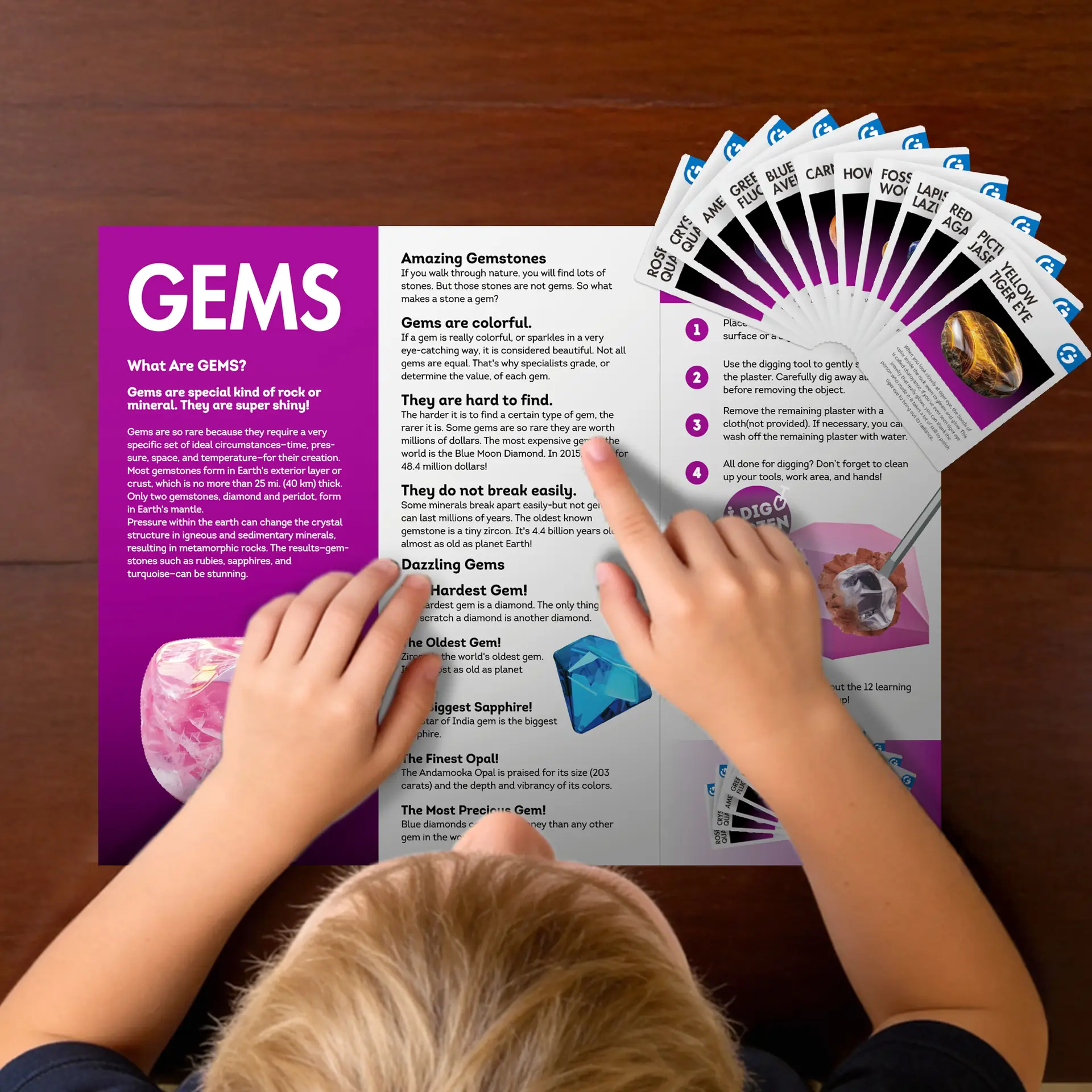
To source educational toys for a retail store, first define the customer, age group and retail price. Then compare suppliers, check that safety documents match the exact product, calculate the full landed cost, approve samples, inspect production and test a small opening order before buying more.
New gift shops should normally begin with an established wholesaler or toy brand. Direct factory sourcing becomes more practical after the store has reliable sales data, enough storage space and a process for testing, importing, inspection and product complaints.
Regulatory review date: July 2026. Requirements vary by product, age, materials, destination country and the seller’s legal role.
Choose a Buying Route
| Store situation | Suggested route | Main reason |
|---|---|---|
| New store with no toy sales history | Domestic wholesaler or established brand | Smaller orders and faster reorders |
| Store testing a new age group | Small wholesale order | Limits unsold stock and return risk |
| Store with proven bestsellers | Brand-direct or distributor account | Better pricing without handling every import task |
| Store with stable volume and import experience | Direct factory order | More control over cost and packaging |
| Store creating its own branded products | Factory order with testing and compliance support | Private labeling may increase legal responsibility |
Retailers can review the Piano Potato wholesale options and browse the full educational toy range before deciding whether ready-made products or custom development are more suitable.
Stop an order before paying a large deposit when the intended age is unclear, the report does not match the sample, the actual factory is hidden, materials can be changed without approval or the MOQ would create several years of stock.
Set the Budget
Do not spend the entire budget on products. Freight, testing, inspection, damaged stock and early reorders also require cash.
A small gift shop could divide a $10,000 opening budget like this:
| Budget use | Share | Example amount |
|---|---|---|
| Opening product order | 60% | $6,000 |
| Freight and customs costs | 15% | $1,500 |
| Samples, testing and inspection | 10% | $1,000 |
| Early bestseller reorders | 10% | $1,000 |
| Damage and unexpected costs | 5% | $500 |
If the $6,000 product budget allows an average opening investment of $250 per SKU, the store can test about 24 SKUs. These percentages are a planning example, not a fixed industry rule.
Keeping $1,000 for early reorders matters. A store can have plenty of slow stock but still lose sales because it has no cash available to reorder the first products that sell out.
Plan the Range
Choose products for the people who already visit the store. A museum shop may suit fossil, geology and space kits. A bookstore may sell puzzles, language games and science activities. A tourist shop needs products that are compact, clean and easy to pack.
Answer these questions before contacting suppliers:
- Who normally buys gifts in the store?
- What ages are they buying for?
- How much do they usually spend?
- Which themes fit the store?
- How much shelf space is available?
- How much storage space is available?
- How quickly must products be reordered?
A 24-SKU opening range could be divided like this:
| Product group | Number of SKUs |
|---|---|
| Excavation and discovery | 6 |
| Science experiments | 5 |
| Earth, space and geology | 4 |
| Creative activities | 4 |
| Logic and puzzles | 3 |
| Premium display products | 2 |
The same 24 products could be divided into six low-price items, 12 middle-price gifts, four higher-price gifts and two premium display products. The actual mix should reflect the store’s customers rather than copying this example exactly.
Check Age and Product Type
Age affects difficulty, part size, instructions, warnings and testing. Do not accept an age label without checking how the product is actually used.
Review:
- Size of parts
- Reading level
- Number of steps
- Hand strength and control required
- Expected play behavior
- Need for adult help
- How the product is shown in photographs and advertising
A supplier should not change a label to “8+” only to avoid requirements for younger children. In the United States, product classification can consider the manufacturer’s stated intent, packaging, advertising, common use and how consumers recognize the product.[1]
Not every educational product is automatically a toy. Art materials, school supplies, electronic learning devices, hobby models and collectibles may fall under different rules. Ask a qualified laboratory or compliance specialist when the product category is unclear.
Build a Useful Product Mix
Do not fill the store with products that look different but provide the same activity. Each SKU should add a different age, theme, price, play time, difficulty or gift occasion.
| Product group | Examples | Retail use |
|---|---|---|
| Excavation | Fossil, dinosaur and gemstone dig kits | Clear hands-on activity and gift result |
| Science | Volcanoes, crystal growing and simple experiments | Birthday and school-holiday gifts |
| Earth and space | Rocks, minerals, planets and astronomy kits | Museum, nature and science stores |
| Creative | Painting, craft and model-building sets | Products with a visible finished result |
| Logic | Puzzles, coding cards and strategy games | Older children and family gifts |
Retailers can compare the Dig & Explore, Fun & Science, Earth & Space and Crystals & Supplies ranges when planning different product themes.
Five crystal kits that contain almost the same pieces do not give customers five useful choices. A better range may include one entry-level crystal kit, one larger mining kit, one geode kit and one premium display set.
Score Each Product
Use the same scorecard for every sample. Give each commercial point a score from one to five.
| Question | A high score means |
|---|---|
| Is the activity easy to understand? | Customers understand it without a long explanation |
| Does the age grade make sense? | The difficulty and instructions match the stated age |
| Does it have repeat value? | The child can use it more than once |
| Does it look suitable as a gift? | The product and package support the retail price |
| Is the margin workable? | The margin can cover discounts and returns |
| Is the order manageable? | The MOQ fits the budget and storage space |
| Can it be reordered? | The supplier has a reliable lead time |
Seven questions at five points each give a maximum score of 35. A store could use these internal decision levels:
- Below 22 points: do not order or request major changes.
- 22 to 27 points: test only a small quantity.
- 28 to 35 points: continue to document and sample review.
These score levels are a store-planning example, not an industry standard. Safety and documents are pass-or-fail conditions. A product cannot pass because it receives a high commercial score when required reports are missing or do not match the sample.
Check Gift and Learning Value
A product can be educational but still be difficult to sell as a gift. Check whether an adult can understand the activity without opening the package.
Confirm:
- What is included
- Whether batteries or household items are needed
- How much adult help is required
- How long setup, play and cleanup take
- Whether parts are easy to lose
- Whether the product can be used more than once
- Whether the package is easy to carry and wrap
Record real sample-use data instead of relying on the package. A test sheet could contain:
| Test item | Example result |
|---|---|
| Time to understand the package | 25 seconds |
| Initial setup | 8 minutes |
| Adult help | 5 minutes |
| Active play | 35 minutes |
| Waiting time | 12 hours |
| Cleanup | 9 minutes |
| Extra household items | 2 items |
These times are product-test examples, not limits that every toy must meet. They help the buyer check whether words such as “quick,” “easy” or “ready to use” match the real activity.
Retailers can use this guide to common items in an entry-level science experiment kit as a starting checklist, but the actual sample and instructions must still be checked.
Educational value should come from what the child does. Strong activities ask the child to observe, sort, build, measure, compare, test or try another method after a mistake. A large “STEM” label does not prove that the toy provides useful learning.
Set Price Bands
Gift buyers often decide how much they want to spend before choosing a product. A store should therefore offer several clear price levels.
A 24-SKU range could include:
- 6 small rewards and add-on gifts
- 12 standard birthday gifts
- 4 higher-price gifts
- 2 premium display products
Low-price products should still look complete. Premium products need a clear reason for their higher price, such as more pieces, better materials, longer play time, replacement parts or stronger packaging.
Do not set the retail price by simply doubling the factory price. The factory price excludes many costs that the retailer must pay before the product reaches the shelf.
Find Suppliers
Build a supplier list from several sources:
- Brand wholesale pages
- Toy and gift trade-show directories
- Industry associations
- Regional distributors
- Specialist B2B platforms
- Products already sold by reputable retailers
A simple supplier funnel could work like this:
| Stage | Suppliers remaining |
|---|---|
| Initial supplier list | 10 |
| Suppliers receiving a full RFQ | 6 |
| Suppliers selected for samples | 3 |
| Suppliers passing document review | 2 |
| Supplier receiving the opening order | 1 |
Keep the second qualified supplier as a backup. One supplier may later face capacity, material or delivery problems.
Verify the Supplier
Ask for:
- Registered company name
- Business registration
- Office and factory addresses
- Company email address
- Main export markets
- Quality-control process
- Product test reports
- Product liability insurance, when available
A trading company is not automatically unreliable. It may be useful for mixed orders and smaller quantities. The buyer still needs to know which factory makes the product, who controls materials, who owns the reports and who handles defects.
Check the company name across the quotation, contract, invoice and bank account. Confirm the factory address, verify important report numbers with the laboratory and request a factory video or third-party audit for larger orders.
When bank details change, verify them through a previously confirmed contact. Do not rely only on the email that announced the change.
Send a Clear RFQ
A request for quotation should include:
- Product name and reference image
- Target age
- Destination country
- Order quantity and quantity price breaks
- Packaging and language requirements
- Barcode and logo requirements
- Required testing and inspection
- Sample and production lead times
- Units per carton, carton size and gross weight
- Payment terms
- Proposed Incoterms rule
- Defect and replacement terms
Ask the supplier to quote the product, packaging, printing, tooling, samples, testing, inspection and freight separately. This makes hidden setup costs easier to find.
Compare Quotations
The lowest unit price may require the largest order and the most cash.
| Quote item | Supplier A | Supplier B |
|---|---|---|
| Estimated landed cost | $12.10 per unit | $13.40 per unit |
| MOQ | 1,500 units | 500 units |
| Estimated order investment | $18,150 | $6,700 |
| Production lead time | 60 days | 35 days |
| Reorder MOQ | 1,000 units | 300 units |
Supplier A saves $1.30 per unit but requires $11,450 more cash for the opening order. Supplier B may be more suitable for a small store because it limits stock and allows a faster test.
Compare Trade Terms
- EXW: The buyer takes on most transport and export arrangements from the supplier’s premises.
- FCA: The supplier completes export clearance and delivers the goods to the buyer’s carrier at the named place.
- FOB: The supplier delivers the goods on board the named vessel. FOB is only for sea or inland waterway transport.
- DDP: The supplier handles most costs and import duties to the named destination. Confirm that the supplier can legally complete the import process.
For container cargo handed to a carrier before vessel loading, FCA is usually more suitable than FOB. Under FOB, delivery and risk transfer occur when the goods are on board the vessel.[2]
Know Your Legal Role
The business may be acting as a retailer, distributor, importer, private labeler or manufacturer. These roles do not have the same duties.
Before ordering, confirm:
- Who is the legal manufacturer?
- Who is the importer?
- Who issues the certificate or declaration?
- Whose name appears on the product?
- Who keeps the technical documents?
- Who reports a safety problem?
- Who pays for corrective action or a recall?
Adding your own trademark may make the business responsible as a manufacturer or private labeler, even when another factory physically produces the toy.
Check U.S. Rules
ASTM F963-23 is part of the mandatory U.S. toy safety rule under 16 CFR Part 1250. Applicable toys manufactured on or after April 20, 2024 must meet the relevant parts of ASTM F963-23. The required sections depend on the toy’s age, materials and functions.[3]
Third-party testing and a Children’s Product Certificate generally apply to products designed or intended mainly for children aged 12 or younger. Testing must use a CPSC-accepted laboratory for the applicable rules. The U.S. manufacturer or importer issues the CPC based on passing test results.[4]
Since July 8, 2026, importers of products covered by CPSC certification requirements have generally been required to submit certificate information electronically before the goods enter U.S. commerce. The effective date for goods entered from a Foreign Trade Zone is January 8, 2027.[5]
Depending on the product, the review may include:
- Small parts
- Sharp points and edges
- Lead and surface coatings
- Phthalates
- Flammability
- Sound levels
- Magnets
- Batteries
- Projectiles
- Art materials
Toys intended for children under three must not contain prohibited small parts or release prohibited small parts during the applicable use-and-abuse tests.[6]
Children’s products also need permanent tracking information on the product and packaging, where practical. The information should identify the manufacturer or importer, production location, production date and batch or production run.[7]
Search the official CPSC recall database before listing an unfamiliar toy and continue checking after the product goes on sale.[8]
Check EU Rules
Toys sold in the European Union must meet the applicable EU toy safety rules, complete the required conformity assessment and carry the CE marking. The CE mark is the manufacturer’s declaration of compliance; it is not an approval certificate issued by the EU.[9]
Check:
- EU Declaration of Conformity
- Applicable EN 71 reports
- Electrical and chemical assessments when relevant
- Product risk assessment
- Manufacturer and importer details
- Product and batch identification
- Warnings and instructions
- Technical-document availability
Regulation (EU) 2025/2509 entered into force on January 1, 2026. Most product requirements apply from August 1, 2030, while some administrative and enforcement provisions already apply. Toys placed on the market under Directive 2009/48/EC before August 1, 2030 receive the stated transition protection.[10]
For online sales to EU customers, the product offer must clearly show product identification, manufacturer information, the EU responsible person’s details when required, and applicable warnings or safety information.[11]
Check UK Rules
Toys supplied in Great Britain are covered by the Toys (Safety) Regulations 2011. Importers must check that the manufacturer has completed the required conformity work, prepared the declaration and technical documents, added the correct marking and provided the required warnings and instructions.
Great Britain continues to recognize CE marking for toys, while UKCA remains available. Manufacturers and importers must keep the applicable declaration and technical documents for ten years. They may also need to manage sample testing, complaints, corrective action, withdrawals and recalls.[12]
Northern Ireland follows a different framework. Toys require CE marking, or CE plus UKNI when a UK body is used for the relevant conformity assessment. A Great Britain compliance plan should not be reused without checking the Northern Ireland rules.[13]
Match Documents to the Product
A report is useful only when it covers the product being ordered.
| Report information | Compare it with |
|---|---|
| Model number and photograph | Purchase order and final sample |
| Materials and coatings | Bill of materials |
| Age grade | Packaging and advertising |
| Factory and applicant | Actual production site and supplier |
| Standard version | Destination market and manufacturing date |
A laboratory may test a representative sample for a defined product family, but the buyer should not assume that every color or model is included. Request written confirmation of the covered variations.
Require a new review when the supplier changes paint, glue, plastic resin, fabric, stuffing, batteries, magnets, electronics, cords, warnings or component suppliers.
Approve Three Samples
First sample: Check the idea, size, weight, activity, number of pieces, difficulty and gift appeal. Do not use a handmade sample with temporary materials for final approval.
Test sample: It should use the intended production materials, coatings, glue, electronics, magnets, batteries, liquids and powders.
Final sample: It should include the finished product, colors, package, warnings, instructions, barcode, logo and accessories.
Add the model, version and approval date to the final sample. The buyer and supplier should keep matching samples where practical. The inspector should receive the sample or a complete written specification.
Check Product and Packaging
A normal store check can find obvious defects such as:
- Sharp edges or splinters
- Loose screws and weak seams
- Peeling coatings
- Cracked plastic
- Exposed wires
- Loose magnets
- Unsecured battery covers
- Leaking liquids or powders
- Missing parts
Do not treat an informal pull, drop or torque check as proof of legal compliance. Formal tests must follow the applicable standard and test method.
The final package should clearly show what the product is, what the child does, the target age, what is included and whether batteries, extra materials or adult help are required.
Check the full-size artwork for the model, age, legally required warnings, manufacturer and importer details, batch information, barcode, instructions and conformity marking.
Measure Packaging Size
Packaging affects freight, storage and shelf capacity. Measure the product, retail box and export carton before approving the order.
Consider this example:
| Item | Dimensions | Volume |
|---|---|---|
| Product | 20 × 15 × 5 cm | 1,500 cm³ |
| Retail box | 25 × 20 × 10 cm | 5,000 cm³ |
The retail box uses about 3.3 times the product’s physical volume. Some extra space is needed for protection and presentation, but an oversized box can create unnecessary freight and storage costs.
If a smaller package allows an export carton to hold 18 units instead of 12, the same carton carries 50% more products. The buyer should still confirm that the smaller box protects the toy during transport.
Calculate Landed Cost
Use the complete landed cost:
Product + packaging + testing allocation + inspection + freight + insurance + duty + customs fees + local delivery + damage allowance
| Cost item | Example cost per unit |
|---|---|
| Factory price | $8.00 |
| Retail packaging | $0.70 |
| Testing allocation | $1.20 |
| Inspection allocation | $0.20 |
| Freight | $1.50 |
| Insurance | $0.05 |
| Duty and clearance | $0.85 |
| Local delivery | $0.30 |
| Damage allowance | $0.20 |
| Landed cost | $13.00 |
If product testing costs $1,200, the testing allocation is $6.00 per unit across 200 units or $1.20 per unit across 1,000 units. Use only units expected to be sold under the same tested specification.
Check the Selling Price
A $13 landed cost produces different results at different retail prices:
| Retail price | Gross profit per unit | Gross margin |
|---|---|---|
| $19.99 | $6.99 | About 35.0% |
| $24.99 | $11.99 | About 48.0% |
| $29.99 | $16.99 | About 56.7% |
At $24.99, a 10% discount reduces the selling price to $22.49. Gross profit falls from $11.99 to $9.49, and gross margin falls from about 48.0% to about 42.2%.
The remaining gross profit must still pay card fees, rent, staff, storage, theft, returns and unsold stock.
Check MOQ and Inventory
Measure MOQ in units, money, cartons and months of stock.
Inventory months = sellable units ÷ expected monthly sales
| Expected monthly sales | Time needed to sell 1,000 units |
|---|---|
| 20 units | 50 months |
| 40 units | 25 months |
| 80 units | 12.5 months |
| 120 units | About 8.3 months |
At a landed cost of $13, an order of 1,000 units uses $13,000 in cash. If the store sells only 20 units per month, it sells 240 units in the first year and still holds 760 units. The remaining inventory represents $9,880 in landed product cost.
Also check carton dimensions, stacking limits, shelf capacity and storage conditions. An order can be affordable but too large to store.
Write Clear Order Terms
The purchase order should state:
- Product specification
- Approved materials
- Quantity and price
- Packaging and barcode
- Completion date
- Required documents
- Inspection standard
- Payment stages
- Rules for product changes
- Remedies for defects
Define whether failed goods will be reworked, replaced, reproduced, refunded or credited. State who pays for repeat inspections, disposal and replacement freight.
Inspect Production
Arrange the final random inspection after production is complete and most units are packed. All completed goods must be available for random selection.
- Critical defect: A safety or legal problem
- Major defect: A problem that prevents normal use or sale
- Minor defect: A limited appearance issue that does not prevent use
Examples must be set for the actual product. Unintended access to a button battery or a missing legally required choking warning may be critical. A missing component or non-scanning barcode is normally major. A small paint mark may be minor when it does not create a safety or sales problem.
Sampling does not prove that every unit is perfect. Agree on the sample size and acceptance limits before production. Give the inspector product-specific checks, such as counting pieces, testing moving parts, scanning barcodes and checking sealed containers for leaks.
Receive and Check Stock
A store can use a simple receiving plan after the shipment arrives:
| Quantity received | Example store check |
|---|---|
| Fewer than 100 units | Check 5 to 10 units |
| 100 to 500 units | Check 10 to 20 units from different cartons |
| More than 500 units | Review the inspection report and check samples from different carton positions |
This is a store receiving example, not a legal sampling standard. It does not replace laboratory testing or a formal pre-shipment inspection.
For every shipment:
- Count the cartons.
- Photograph water or impact damage.
- Open cartons from different positions.
- Compare products with the approved sample.
- Scan the barcodes.
- Check batch codes.
- Test several units.
- Separate questionable stock.
Record problems by SKU, carton and batch. Keep one unopened sample from each batch where practical.
Measure the Test Order
Review a new product over a fixed period rather than judging it after a few busy days.
Consider this 90-day test:
| Measure | Result |
|---|---|
| Opening quantity | 120 units |
| Units sold | 72 |
| Returns | 6 |
| Net units sold | 66 |
| Net sell-through | 55% |
| Damaged unsold units | 3 |
| Remaining sellable stock | 45 units |
Sell-through rate = units sold ÷ (opening inventory + units received)
Net units sold = units sold − returned units
A high sales number does not always mean the product is healthy. In this example, the six returns should be reviewed before reordering. If the returns share the same cause, the product, instructions or packaging may need correction.
A store may choose to delay a reorder when sell-through remains below 30%. It may begin a reorder review at about 50% to 60% sell-through when returns are low and lead time is long. These are internal decision examples, not universal retail standards.
Plan Reorders
Use the full lead time, including order approval, production, packaging, inspection, freight, customs and receiving.
Reorder point = average weekly sales × total lead time in weeks + safety stock
If a product sells six units per week, has an eight-week total lead time and needs 12 units of safety stock:
- Lead-time demand: 6 × 8 = 48 units
- Safety stock: 12 units
- Reorder point: 60 units
A stock balance of 70 units may look comfortable, but it is only 10 units above the reorder point. The buyer should already be confirming price, availability and production time.

Control Custom Products
- Logo or packaging change: Usually does not change the toy’s structure, but it may change the seller’s legal role.
- Color, accessory or bundle change: Check whether materials, warnings and reports still apply.
- Structural change: New materials, magnets, batteries, electronics or dimensions normally require new samples and another compliance review.
Confirm ownership of the design, mold, artwork, photographs, brand and test reports. Retailers planning a custom range can use the Piano Potato contact page to discuss wholesale or private-label requirements.
Check Environmental Claims
Do not accept broad claims such as “green” or “eco-friendly” without clear evidence. Ask which material is certified, what percentage is recycled and whether the certificate covers the actual product and factory.
The U.S. Federal Trade Commission advises businesses not to make broad, unqualified environmental claims and requires clear support for recycled, renewable, degradable and similar claims.[14]
Natural materials are not automatically safe. Wooden products can still have splinters, unsafe coatings, weak joints, mold or moisture problems.
Prepare for Complaints and Recalls
Keep records linking the supplier, factory, purchase order, SKU, batch, delivery date, quantity received, quantity sold, test reports, inspections and complaints.
A scratched box is a normal customer-service issue. A detached small part, overheating product, leaking chemical or accessible button battery may require immediate safety review.
When a credible safety problem appears:
- Stop selling the affected product or batch.
- Separate the remaining stock.
- Record the model, batch and incident.
- Contact the supplier, importer or brand owner.
- Check whether the regulator must be notified.
- Prepare the required refund, replacement or recall action.
Buying Checklist
- The customer, age and gift occasion are clear.
- The product category and legal role are clear.
- The supplier, factory and bank details are verified.
- The reports match the final product.
- The sample, package, warnings and barcode are approved.
- The landed cost and margin are workable.
- The MOQ fits the budget and storage space.
- Product changes require written approval.
- Inspection standards and defect remedies are written.
- The batch can be traced from factory to sale.
- The opening quantity is small enough to test.
- Cash remains available for operations and reorders.
Conclusion
A $10,000 budget may support about 24 test SKUs after money is reserved for freight, testing and reorders. In the cost example, an $8 factory price becomes a $13 landed cost and produces about a 48% gross margin at a $24.99 retail price. Ordering 1,000 units at 20 sales per month creates 50 months of stock and leaves $9,880 tied up after the first year. Start with a controlled quantity, match every report to the final product, inspect production, track returns and reorder only when sales, margin and lead time support the next purchase.