qingqing zhong

How to Write Product Descriptions That Sell Educational Toys | Copywriting Tips for Toy Brands

A good educational toy description does not need to sound clever. It needs to help the buyer make a decision. In practice, that means covering a few things clearly: what the child does, who the toy is for, what they can practice through play, what is included, what extra setup is needed, and why this […]
How to Write Product Descriptions That Sell Educational Toys | Copywriting Tips for Toy Brands Read More »

How to Use Educational Toys for Homeschool Science Curriculum | Hands-On Learning Resources

Give every educational toy a clear science task. A toy car can be used to measure distance and study friction. Blocks can be tested for load and stability. A circuit kit can show how electrical paths work. A microscope can help children compare what different materials look like up close. Robots are useful for testing

How to Use Educational Toys for Homeschool Science Curriculum | Hands-On Learning Resources Read More »

How to Design an Engaging Toy Retail Display for Maximum Sales | Visual Merchandising Tips

A toy display works when shoppers can quickly see what matters, compare the right products, and buy without having to ask basic questions. The practical formula is simple: set one sales goal, choose one hero product, keep only the core choices shoppers need, place compatible add-ons nearby, show the buying information clearly, demonstrate what the

How to Design an Engaging Toy Retail Display for Maximum Sales | Visual Merchandising Tips Read More »

How to Choose Safe and Non-Toxic Toys for Toddlers | Safety Standards and Certification Guide

When choosing a toy for a toddler, start with five things: age rating, small parts, batteries or magnets, build quality, and safety compliance. For children around 12–36 months, these basics matter more than labels such as “non-toxic,” “natural,” “organic,” or “BPA-free.” Reject These Hazards First Accessible button or coin battery Loose high-powered magnet Choking-size part

How to Choose Safe and Non-Toxic Toys for Toddlers | Safety Standards and Certification Guide Read More »

How to Market STEM Toys to Parents and Educators | Packaging, Messaging, and Value Proposition

Before writing the package or product page for a STEM toy, make sure you can fill in these basic facts for the SKU. If some of them are still unclear, the product message is probably not ready. Question Illustrative Example Who is it for? Ages 8–12 What does the child do? Build 15 motorized machines

How to Market STEM Toys to Parents and Educators | Packaging, Messaging, and Value Proposition Read More »

How to Introduce Paleontology to Kids Through Dinosaur Dig Toys | Career Inspiration Guide

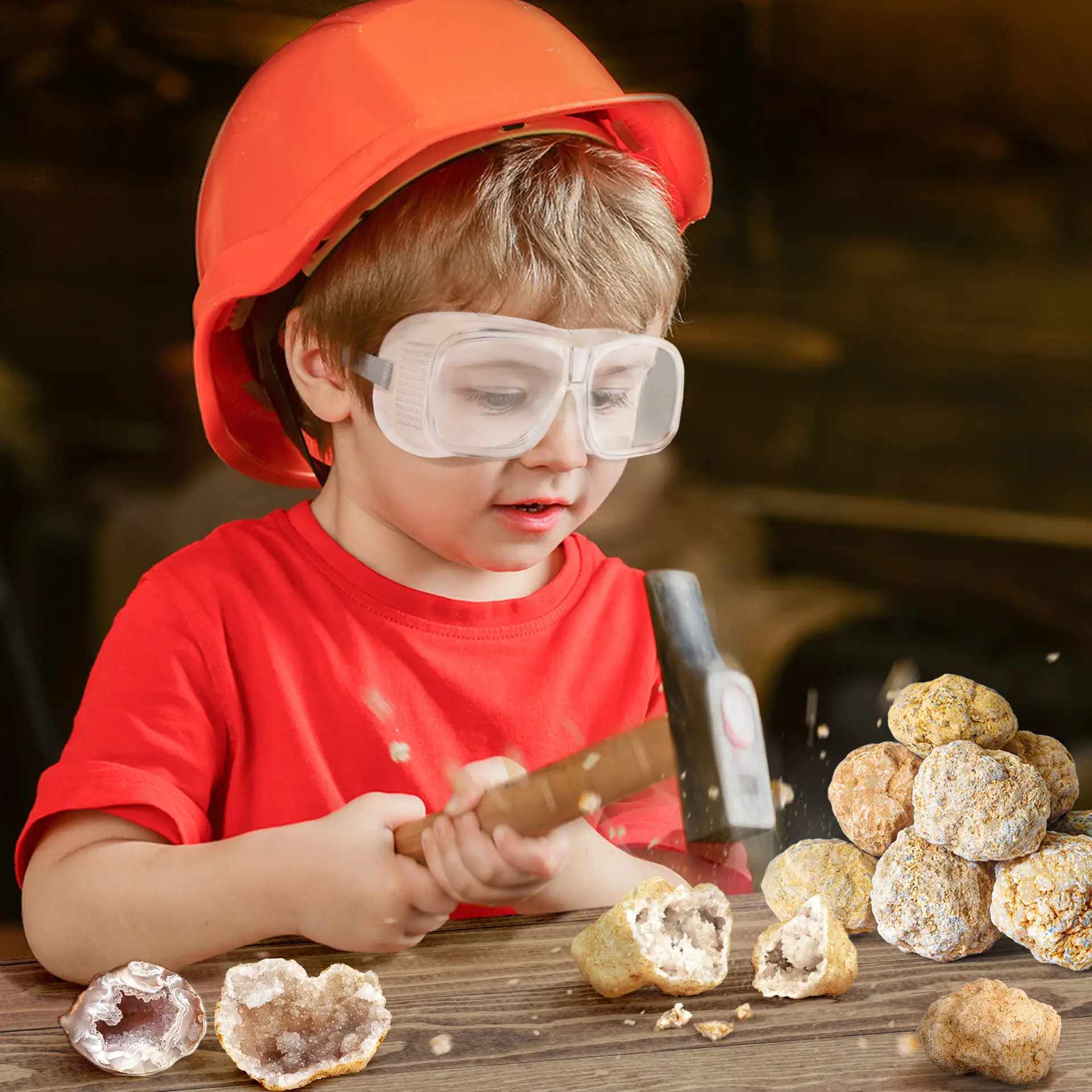
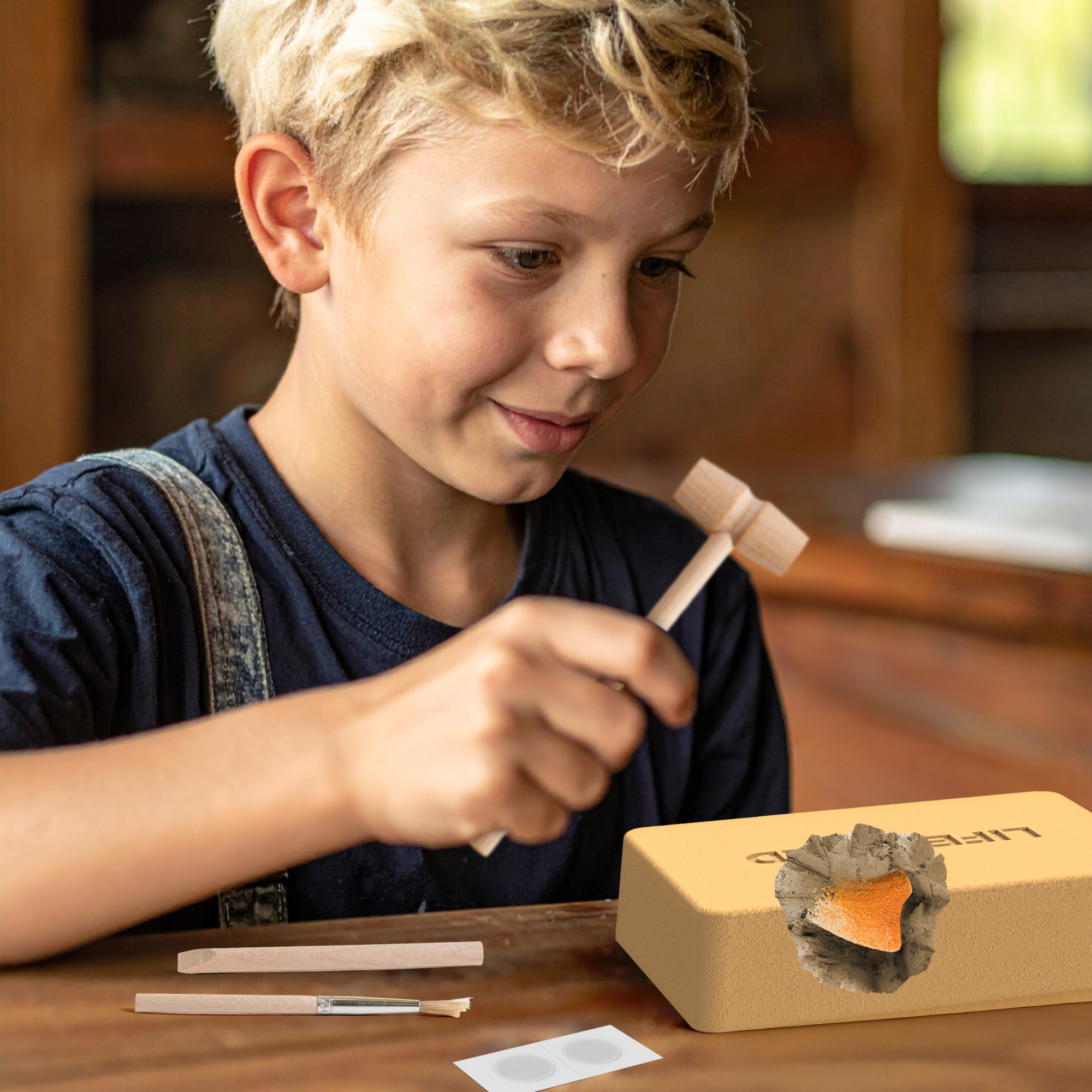
A dinosaur dig toy becomes much more useful when the child does more than dig out the hidden pieces. A simple way to use it is to follow five steps: inspect the block, record each find, remove it carefully, compare the pieces with real anatomy, and research one question after assembly. Paleontology studies evidence of

How to Introduce Paleontology to Kids Through Dinosaur Dig Toys | Career Inspiration Guide Read More »

How to Prepare Your Toy Inventory for the Holiday Shopping Season | Wholesale Stock Planning

For every holiday toy SKU, calculate five numbers before placing a PO: expected demand, sellable stock, reliable incoming stock, total lead time, and acceptable post-holiday stock. Then use those numbers to calculate the order quantity, reorder point, and last useful reorder date. Building Set A Working Example Last holiday recorded sales 820 units Adjusted historical

How to Prepare Your Toy Inventory for the Holiday Shopping Season | Wholesale Stock Planning Read More »

How to Set Up a Science Discovery Corner at Home | DIY STEM Station for Curious Kids

A workable science corner can be very small. Set aside one washable tray, 6 core tools, 4 storage zones, one notebook, one adult-only box, and room for 1–2 unfinished projects. A shelf about 24–36 inches wide or a 3-level rolling cart is enough for most small setups. For the first version, keep it basic: magnifying

How to Set Up a Science Discovery Corner at Home | DIY STEM Station for Curious Kids Read More »

How to Teach Earth Science to Kids with Hands-On Activities | Geology, Fossils, and Space

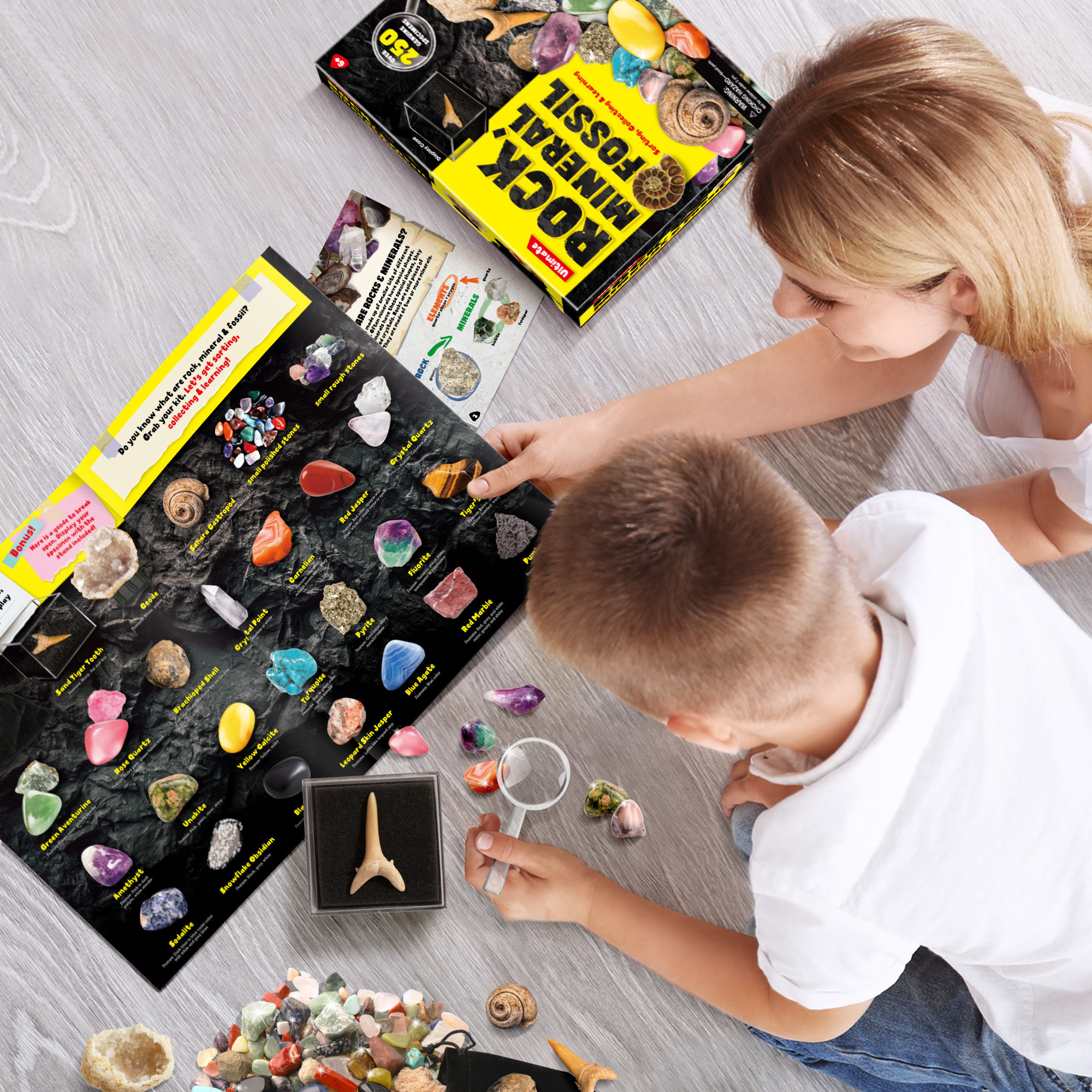
Teach Earth science by giving kids something real to handle, measure, and compare. Most of these activities can be done in 15-40 minutes. For experiments, keep the setup as consistent as possible, change one variable at a time, and repeat comparison tests three times when practical. A useful sequence is rocks and minerals → weathering and

How to Teach Earth Science to Kids with Hands-On Activities | Geology, Fossils, and Space Read More »

How to Source Private Label Educational Toys from China | OEM Manufacturing Guide for Toy Brands

start with a written product specification, not a factory search. Get 4-5 quotes based on the same requirements, order samples from the best 2-3 suppliers, then lock one SKU revision, one BOM, and one approved sample before mass production. Finish the safety work for your target market, inspect the goods, and only release shipment when

How to Source Private Label Educational Toys from China | OEM Manufacturing Guide for Toy Brands Read More »