qingqing zhong

How to Start a STEM Toy Subscription Box Business | Sourcing, Curation, and Packaging Tips

Start with one paid box for one age group. Before ordering 50 to 100 units, compare at least three suppliers, test the finished project with five families, calculate the delivered cost, match every safety record to the exact product, and check every box in the first production run. Do not open automatic renewal until customers […]

How to Start a STEM Toy Subscription Box Business | Sourcing, Curation, and Packaging Tips Read More »

How to Choose Holiday Gifts That Are Both Fun and Educational | Christmas Toy Guide for Parents

Choose a gift the child already wants to use, can start with limited help and can use in more than one way. Check the age warning, project length, number of parts, adult supervision, repeat-use value and full cost before buying. A toy is not educational simply because its packaging uses words such as “STEM,” “learning” or

How to Choose Holiday Gifts That Are Both Fun and Educational | Christmas Toy Guide for Parents Read More »

How to Explain Volcanoes to Kids with a DIY Science Kit | Eruption Experiments at Home

Use an open plastic bottle, 4 g of baking soda, 60 ml of 5% white vinegar and 5 ml of dish soap. The reaction creates carbon dioxide bubbles, while the soap holds the bubbles long enough for children to measure the foam. Record foam height, flow distance and bubbling time, then change only one ingredient. Explain

How to Explain Volcanoes to Kids with a DIY Science Kit | Eruption Experiments at Home Read More »

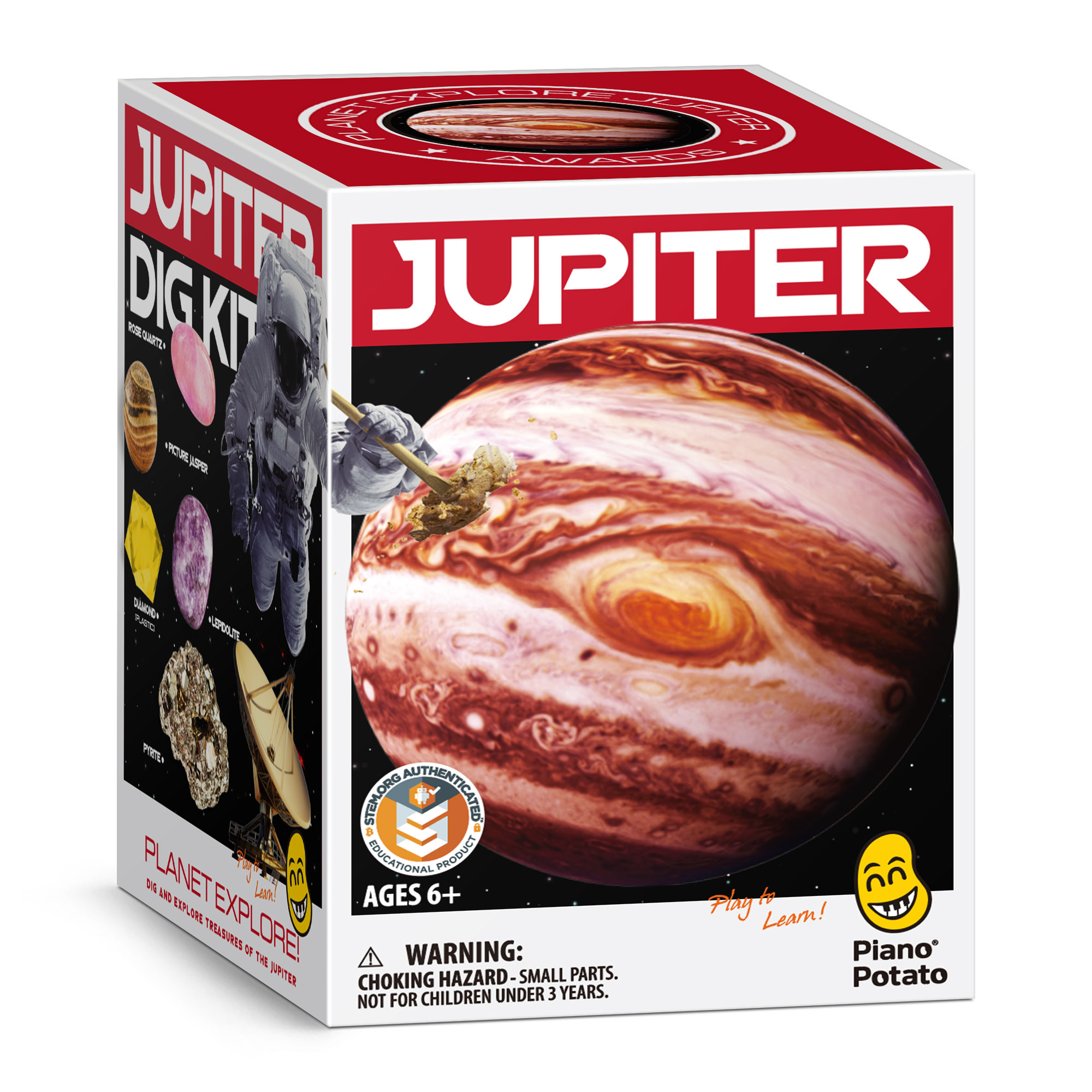
How to Use Dinosaur Egg Dig Kits in the Classroom | STEM Lesson Plans for Elementary Teachers

Use dinosaur egg dig kits as a 45–60-minute classroom investigation for ages 6–12. Students predict what is inside, choose a safe digging method, stop every five minutes to record changes, then measure and explain what they found. One kit for every two to four students is a practical starting point after the teacher tests one block

How to Use Dinosaur Egg Dig Kits in the Classroom | STEM Lesson Plans for Elementary Teachers Read More »

How to Choose the Best STEM Toys for Kids by Age: A Complete Guide from Toddlers to Teens

The best STEM toy is one your child can start with limited help, use safely, and return to with a harder question. It should let the child build, compare, predict, measure, test, code, repair, or solve a problem. A toy that mainly plays sounds or animations after one button press may be fun, but it offers

How to Choose the Best STEM Toys for Kids by Age: A Complete Guide from Toddlers to Teens Read More »

How to Organize a Science-Themed Birthday Party for Kids | DIY Experiments and Activity Ideas

For a science-themed birthday party for children aged 6–12, plan 90–120 minutes, prepare three short experiments and one dry challenge, and use one activity leader plus two helpers for a group of 10–12 children. Premeasure every liquid and powder, keep food away from experiment tables, and include cleanup time inside the schedule. Use plastic containers, small

How to Organize a Science-Themed Birthday Party for Kids | DIY Experiments and Activity Ideas Read More »

How to Source Educational Toys for Your Retail Store | Wholesale Buying Guide for Gift Shops

To source educational toys for a retail store, first define the customer, age group and retail price. Then compare suppliers, check that safety documents match the exact product, calculate the full landed cost, approve samples, inspect production and test a small opening order before buying more. New gift shops should normally begin with an established

How to Source Educational Toys for Your Retail Store | Wholesale Buying Guide for Gift Shops Read More »

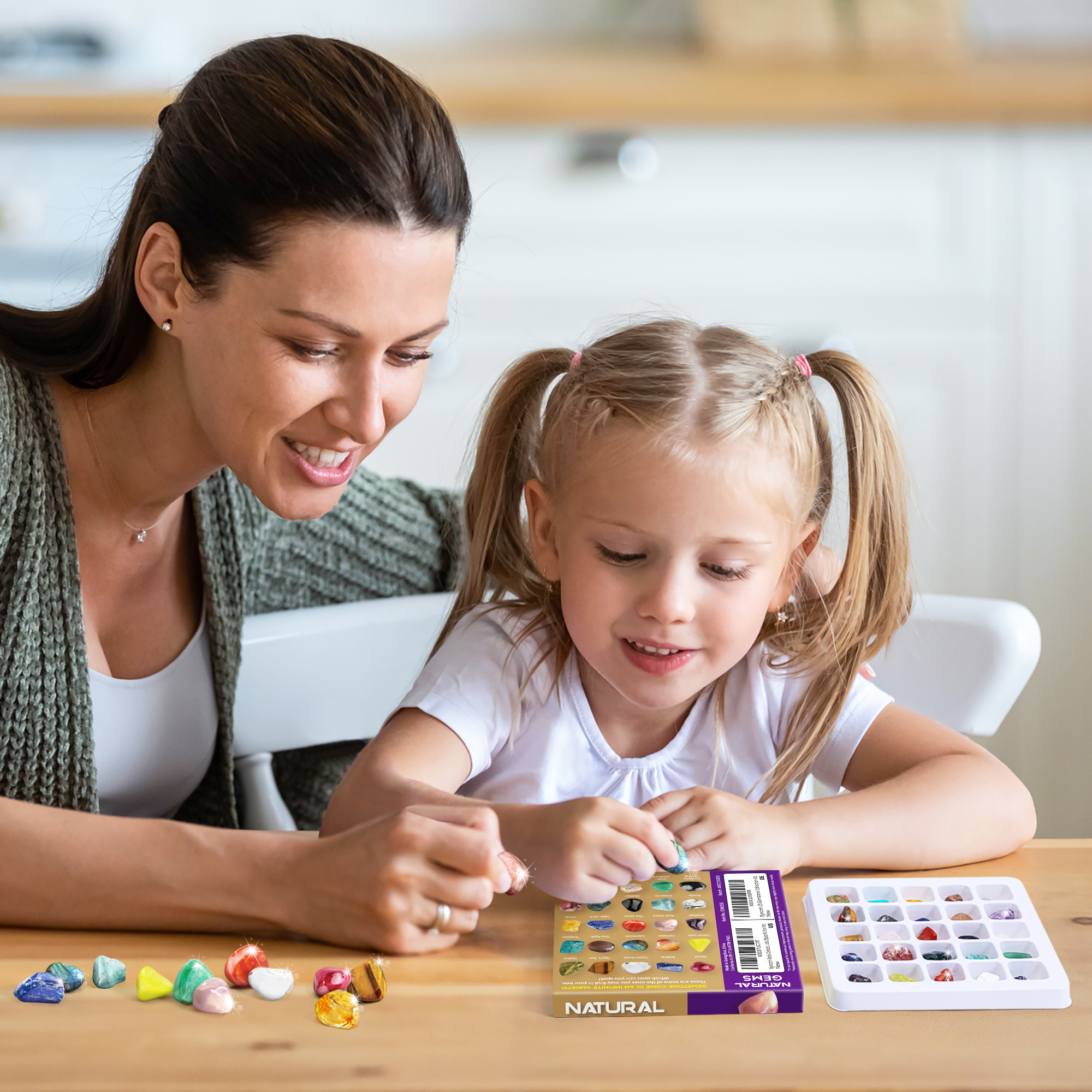
How to Build a Rock and Mineral Collection for Kids | Starter Guide for Young Geologists

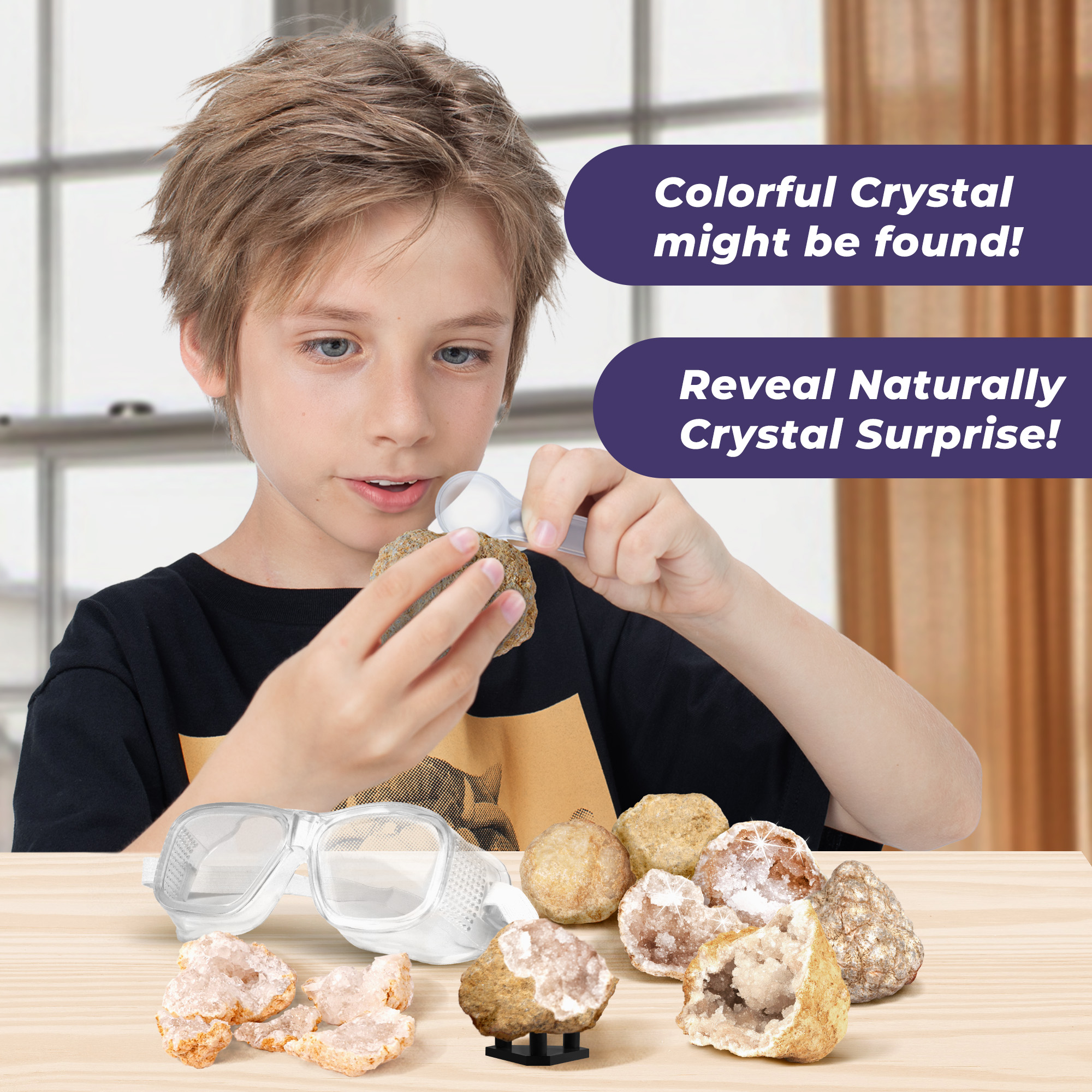
Children ages 6 to 12 can start a useful rock and mineral collection with 12 to 20 specimens, a 10× hand lens, a magnet, labels and a storage box. Let the child study 3 to 5 specimens during each 15- to 25-minute session. Give every specimen a permanent number, take at least two photographs and record

How to Build a Rock and Mineral Collection for Kids | Starter Guide for Young Geologists Read More »

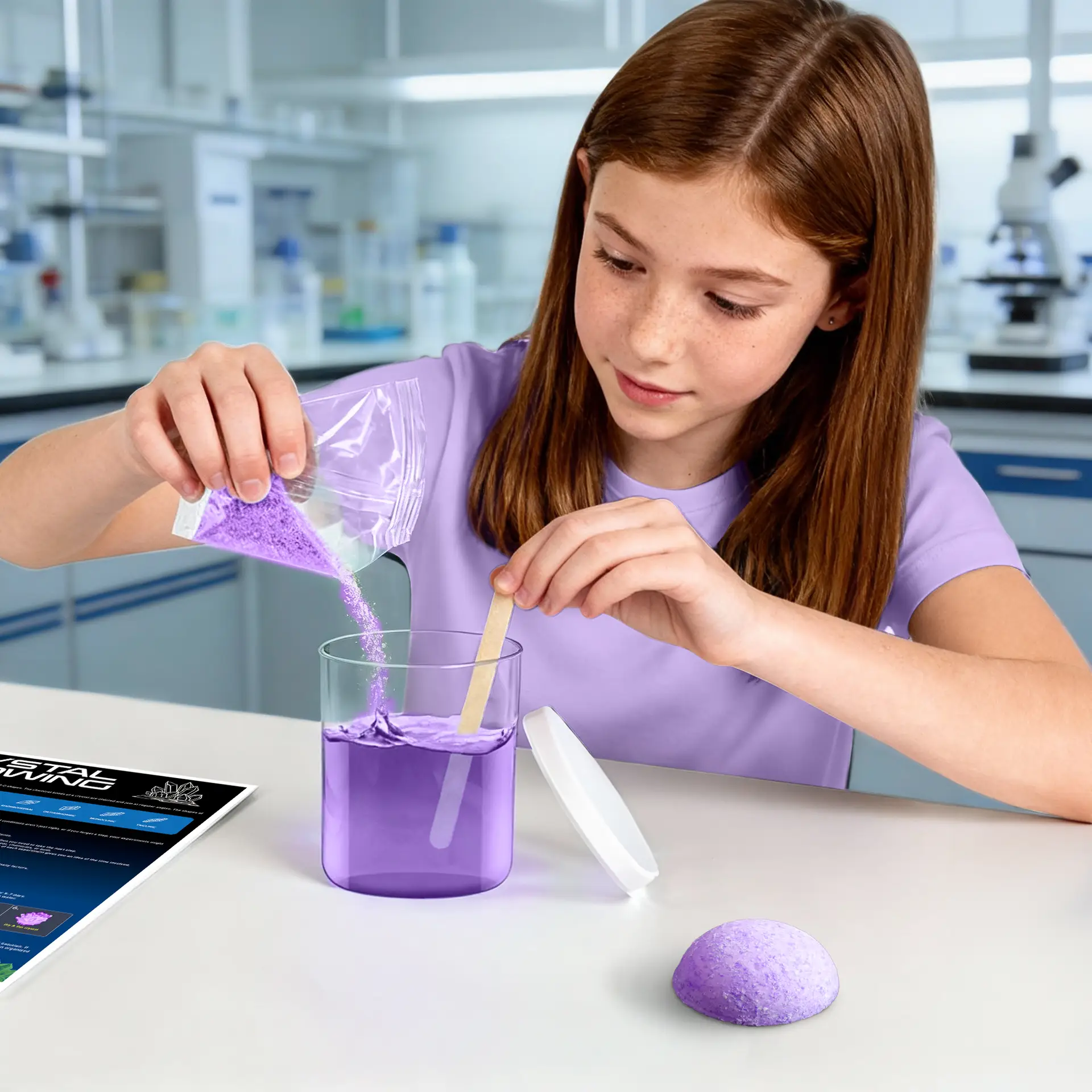
How to Use Crystal Growing Kits to Teach Kids About Chemistry | Hands-On Science Activities

To teach chemistry with a crystal growing kit, let the child watch a solid dissolve, record how crystals appear, measure their growth, and compare one changed condition. The activity is suitable for children ages 6–12, but an adult should handle hot water, chemical packets, spills, and disposal. A practical home activity usually needs about 20–40 minutes

How to Use Crystal Growing Kits to Teach Kids About Chemistry | Hands-On Science Activities Read More »